
You may recall the age-old adage of a glass of milk for strong bones from your own childhood.
After all, as one of the best-known sources of dietary calcium, milk and other dairy products have been long entrusted to support our children’s’ adequate intake of this essential mineral.
Calcium, as you may well know, is important for your kids during their development.
The benefits of calcium include strengthening bones and teeth, regulating muscle functions, and helping to support healthy nervous system function (1).
But, when food sensitivities and fussy eating are at play, how may you help to support your little one’s calcium levels?
Leafy Green Veggies
If dairy isn’t doable, you can find a good source of calcium in leafy green vegetables. This includes broccoli, cabbage, spinach and bok choy (1).
So, if you’re looking for lunch and dinner ideas, why not try out a veggie-packed frittata? The yummy herbs and spices make these veggies far more appetising for scrutinising kiddies and will help to ensure they’re getting some dairy-free calcium.
Milk Alternatives
If your child doesn’t drink dairy milk, you may already have an alternative in the fridge!
Plant, seed, legume and nut milks can be a great alternative to regular dairy milk if your child is lactose intolerant or sensitive to cow’s milk – and many are fortified with calcium.
Plant-based milks can generally be used in place of cow’s milk smoothies, over cereal, and in baking. But, always check the nutrition information panels to double-check the calcium levels, as this may vary from milk to milk.
Fish
Fish like sardines and salmon also contain dairy-free calcium (1). In fact, half a cup of canned salmon may contain as much as 402 mg of calcium!
Although fish is a good source of calcium, it’s not always an easy sell to picky eaters. We recommend sneaking canned salmon or tuna into a yummy quiche or omelette.
Alternatively, you may like to try making your own homemade fish and chips.
Seeds and Nuts
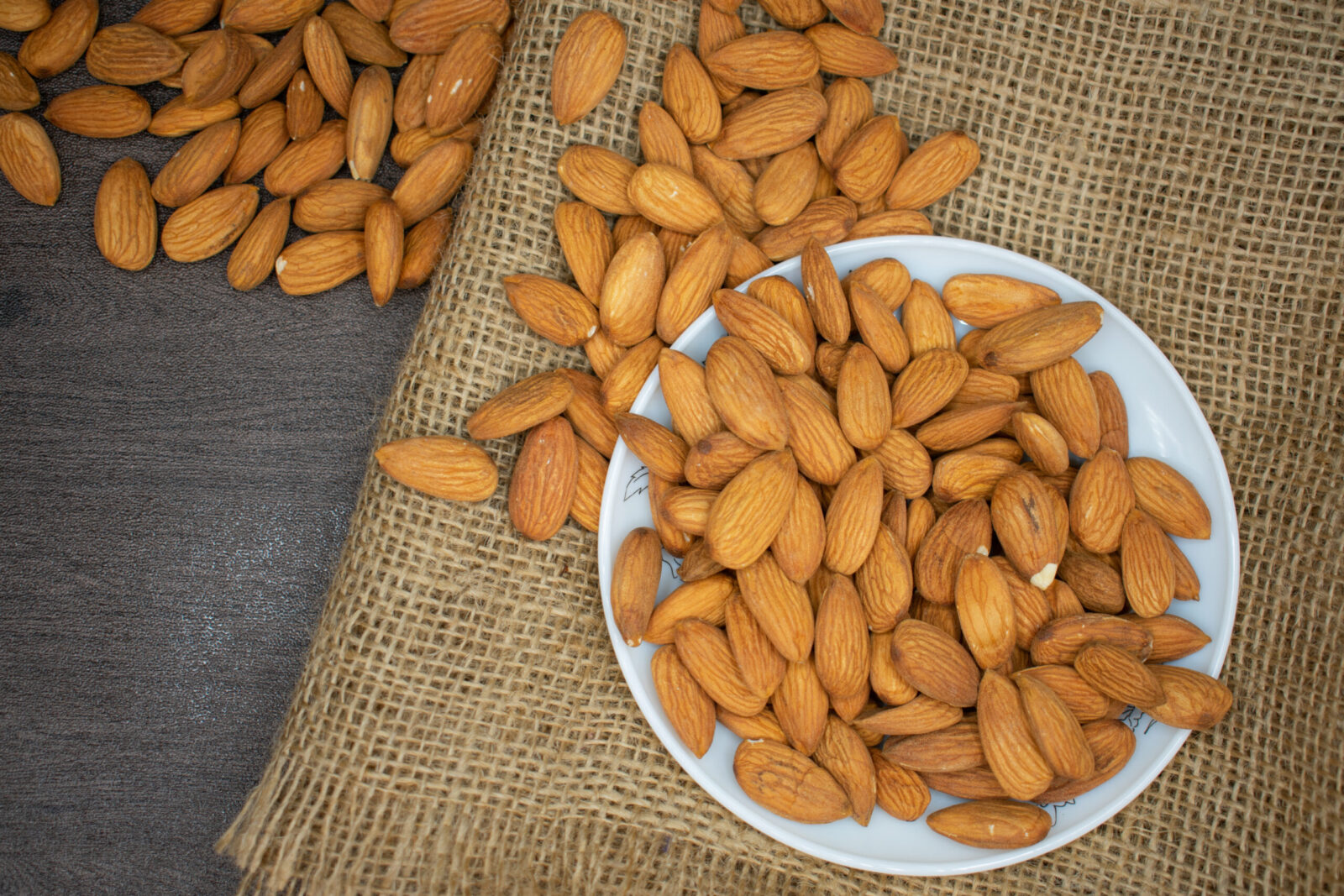
As well as a source of healthy fats, some nuts and seeds may also help your child reach their daily calcium requirements too.
Both Brazil nuts and almonds are sources of the essential mineral. 15 almonds contains about 40 mg of it (1).
Sesame seed paste (tahini) also contains dairy-free calcium (1), so why not crack out the blender and whip up some hummus to have with your dinner?
Calcium-Fortified Foods
The benefits of calcium for ongoing growth and development are widely known, so it’s not surprising that some food companies add it to their products.
Next time you’re at the supermarket, keep your eye out for calcium-fortified breakfast cereals, juices and bread.
Every little bit will be going towards your child’s recommended daily intake.
If you have any concerns about your child’s calcium intake or nutrition, take them to see your friendly local health professional. They will assess your little one’s individual needs and provide appropriate advice accordingly.
The information provided in reference to this ingredient is general in nature and provided as information only. Any product specific therapeutic claims for this ingredient are linked to specific dosage requirements based on evidence of traditional or scientific nature.
Have you found this information useful? If so, you may enjoy the following:
Strong Bones: The Importance Of Calcium For Children
The Ultimate Guide: Which Vitamins Are Important For Children?
References
1. Victoria State Government 2013, Better Health Channel, “Calcium”, https://www.betterhealth.vic.gov.au/health/healthyliving/calcium

