
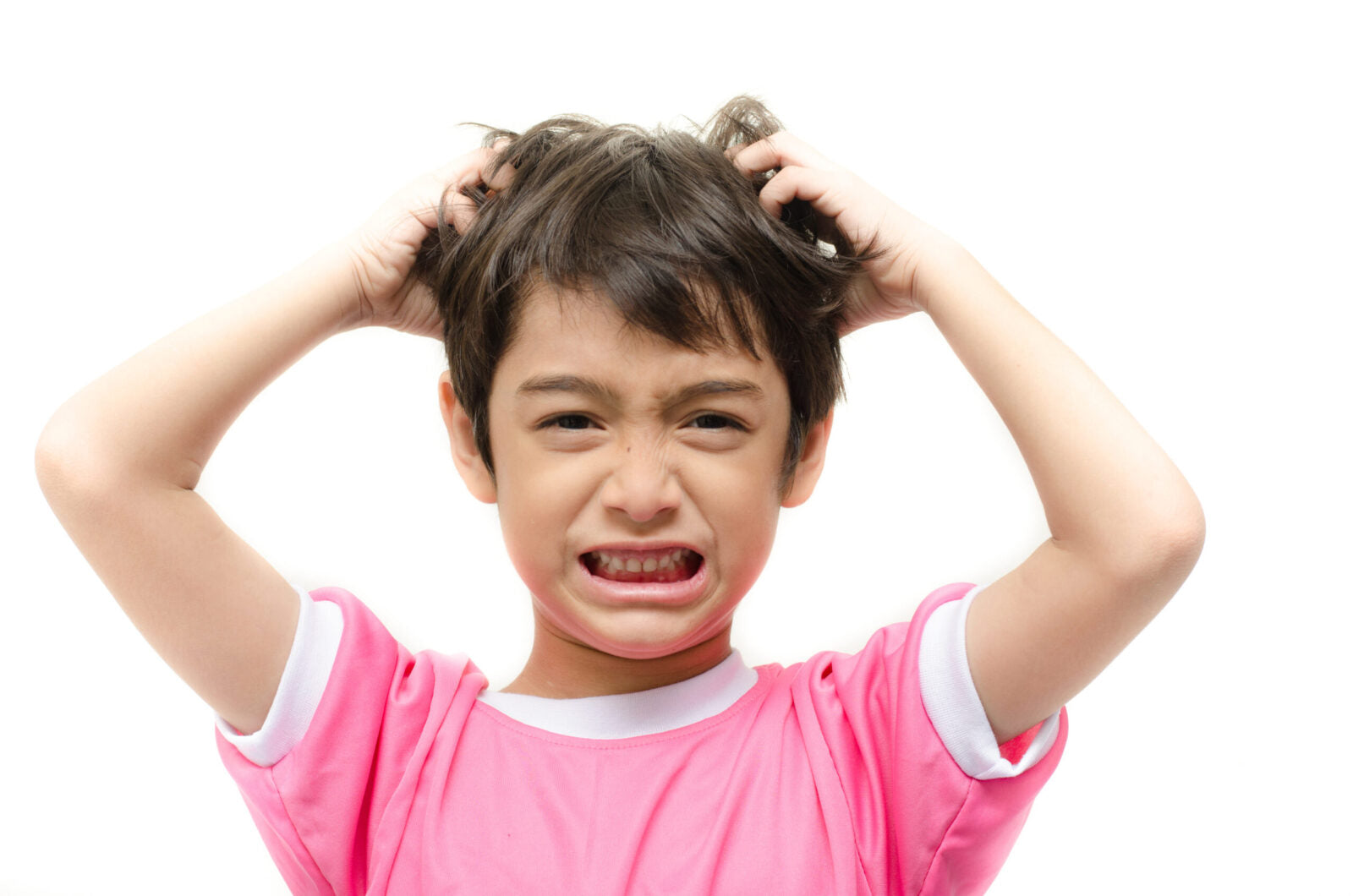
If you’ve ever had a child come home from school itching their head, you may be familiar with how difficult it can be to tackle a nit infestation.
Head lice rumours and myths have long run rampant among parenting groups in an effort to avoid a case of the pesky nits.
Has your little one come home with the dreaded head lice letter? Debunk for of the most common nit myths with our handy head lice facts sheet!
Myth #1: Everyone With Head Lice Scratches
Contrary to popular belief, not everyone who experiences head lice will encounter the common itching and scratching sensation.
In fact, some people don’t experience any kind of response to head lice at all!
Just because your child isn’t itching their head doesn’t mean nits aren’t present. If there’s been a head lice outbreak at your little one’s school or childcare, it’s always important to thoroughly check their scalp.
Myth #2: Head Lice Prefer Clean Hair
In an effort to alleviate the embarrassment that sometimes comes along with nits, some parents comfort their children with the notion that the outbreak is a result of their cleanliness.
Unfortunately, a lice infestation isn’t necessarily a marker of your little one’s impeccable hair-washing.
Head lice don’t necessarily prefer one type of hair over any other. Clean, dirty, straight or curly – the little critters aren’t picky!
Myth #3: Head Lice Can Be Spread Via Pets
A common misconception about nits is that they can survive anywhere that hair is present. Often times, this confusion leads people to believe that pets contribute to the spread of head lice.
In actuality, a louse will die if it spends more than a day separated from the human scalp.
So you can rest assured that your precious pets aren’t at risk of becoming infected next time your child brings a case of head lice home.
Myth #4: Head Lice Can Fly And Jump
A louse is typically about 2-3.5 mm long. Due to their small size, few of us ever get a close enough look at head lice to realise that the little critters are actually wingless insects. This means that they are unable to fly.
Unlike fleas, head lice also can’t jump.
Instead, they spread from person to person by crawling and swinging from hair to hair. This is why head lice is primarily spread via direct head-to-head contact (such as cuddling).
What's Next?
If you found this information useful, you may enjoy the following:
Head Lice: The Facts, The Myths & How To Avoid Them

