
When it comes to kids, bugs are a normal part of life. After all, your curious little one likely spends their days mingling with other children on the playground, at childcare or at school, and encountering a range of germs along the way.
Germs can spread via physical contact with others, along with airborne droplets from coughs or sneezes, and touching shared surfaces throughout the day, may all contribute to the spread of unwanted bugs and germs. (6)
So, personal hygiene for kids is important. Teaching your child healthy hygiene habits helps support their immune system, which is their very own inbuilt defence against germs. By forming these habits in early childhood, you may help lay the groundwork for good hygiene all the way into adulthood.
At Brauer, we understand that teaching your little one how to be a hygiene hero is an important but sometimes challenging process. Luckily, these helpful-yet-simple tips may help make the process an enjoyable experience for parent and child alike.
Hand Washing
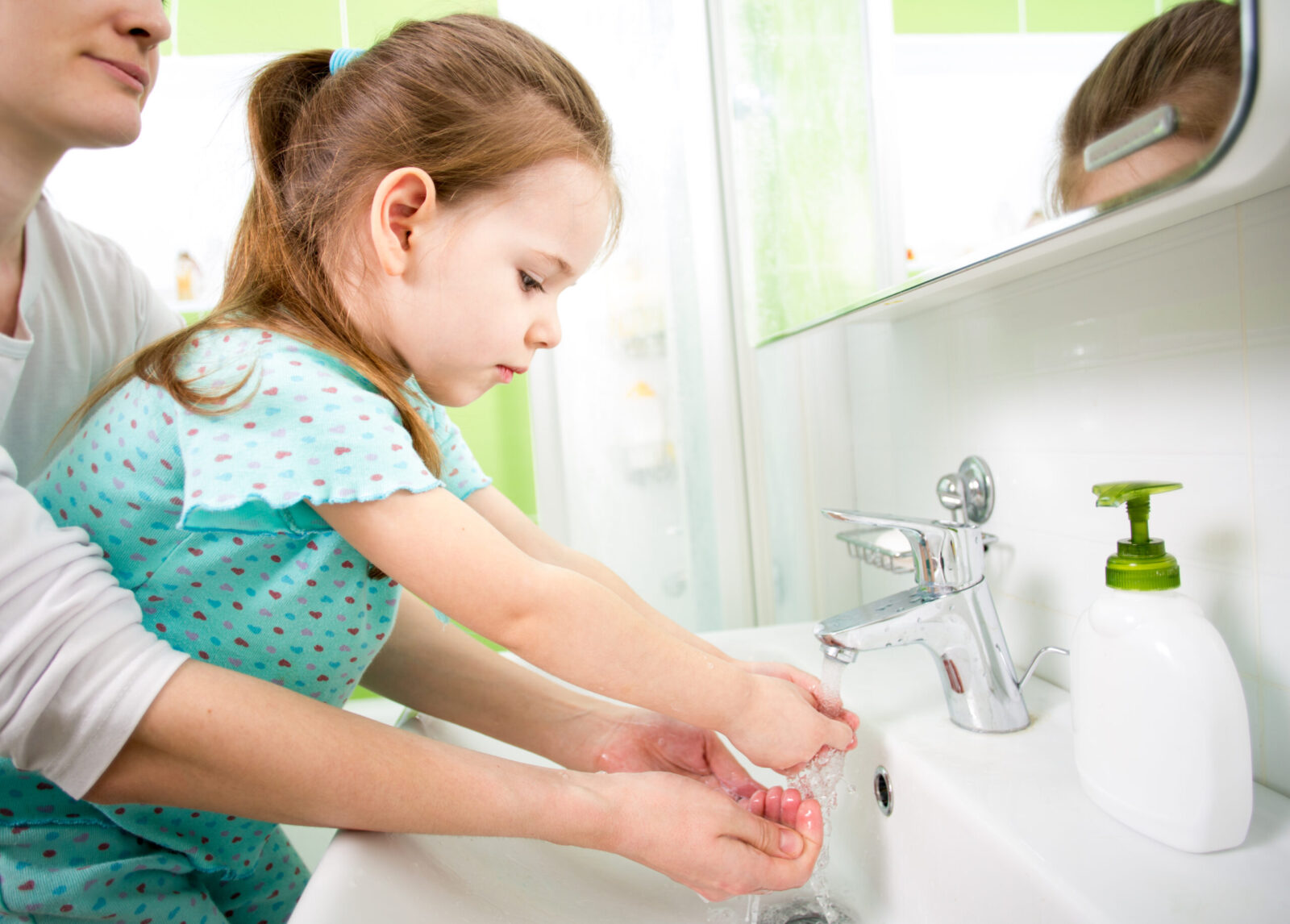
Germs commonly spread by hand contact, so ensuring your child washes their hands regularly may help keep unwanted germs at bay.
Encourage your little one to wash their hands thoroughly with soap and water when they look dirty and before they consume food (1). Other times it’s important for your child to wash their hands include after playing with animals, sneezing or playing outside.
Follow these steps for squeaky clean hands:
- Wet your child’s hands with warm running water
- Add soap to their hands and lather (including between their fingers and the backs of their hands!)
- Rub hands together for at least 20 seconds.
- Rinse off soap with water once clean
- Dry with a clean hand towel to finish
To help make the habit stick, you may like to try making handwashing fun. Finding a song to sing while washing, using different coloured soaps, or starting a sticker chart where they can earn points for every hand wash may all help keep your little one engaged.
Sneezing Etiquette
Encouraging your child to sneeze into a tissue or their elbow is another way they may help to limit the spread of bugs.
When children sneeze directly into their hands, they may spread germs to the surfaces and people they touch afterwards. When it comes to blowing their noses, tissues may be softer on their little noses than hankies and can be conveniently disposed after use. Using soft tissues instead of hankies are better on little noses. Remember to teach your child to throw away used tissues immediately (2).
You may find these steps useful for teaching your child how to blow their nose:
- Have your little one hold a tissue up to their nose and close their mouth
- Tell them to pretend they’re blowing out birthday candles but with their nose instead of their mouth.
- Gently wipe their nose and wash their hands with soap and water.
Limit Face Touching
It’s also important to teach your child about limiting their face touching too as germs have the ability to spread through touching eyes, nose and mouth with unwashed hands(3). When we touch our faces with unwashed hands, we may transfer unwanted bugs to our eyes, nose and mouth.
For this reason, teaching your little one to limit face touching may help to further reduce the spread of germs.
It might be tricky at first but these handy tips may help to keep your child's hands off their face:
- If it’s a fidgeting habit, give them something else to play with, like a toy or a book
- Keep their hair pushed back from their face, limiting the urge to play with it
- Have tissues on hand in case they need to blow their nose, reducing the likelihood of them sneezing into their hands or wiping their nose on their clothes
Bathing
Finally, regular baths or showers are an integral part of personal hygiene for kids and help to freshen up your child after a long day of being a kid.
Bathing may also be a helpful addition to your little one’s end-of-day routine as part of the transition to a calmer, evening space.
Try these simple steps to help keep your child squeaky clean:
- Test the temperature of the bathwater with your elbow before bathing your child. If it’s too hot for you, it’s too hot for your child.
- Fill the bath to their belly button height, adding in some bubbles and toys to make the process a little more fun (4)!
- After bathing, softly pat your child dry with a soft, fluffy towel before they get dressed.
- Do not leave your child alone in the bath, instead ensure you are with them during bath time.
Although it’s normal for kids to encounter bugs and germs every now and then, if you have any concerns about your child’s immune health, take them to see your friendly GP.
What's Next?
Have you found this information helpful? If so, you may enjoy the following:
This Is How Your Child’s Immune System Develops And How You Can Support It
References
- Health Direct Australia. (2020). Personal hygiene for children. [online] www.healthdirect.gov.au. Available at: https://www.healthdirect.gov.au/personal-hygiene-for-children#:~:text=Teaching%20your%20child%20good%20hygiene%20habits&text=washing%20hands [Accessed 1 Jul. 2020].
- org.au. (2018). Kids Health Info : Stopping the spread of germs. [online] Available at: https://www.rch.org.au/kidsinfo/fact_sheets/Stopping_the_spread_of_germs/. [Accessed 1. Jul. 2020].
- Centers for Disease Control and Prevention. (2019). Keeping Hands Clean. [online] Available at: https://www.cdc.gov/healthywater/hygiene/hand/handwashing.html. [Accessed 1. Jul. 2020].
- Raising Children Network. (n.d.). Personal hygiene for children: in pictures. [online] Available at: https://raisingchildren.net.au/toddlers/health-daily-care/hygiene-bathing/personal-hygiene. [Accessed 1. Jul. 2020]
- Health Direct Australia. (2020). Dental care for children. [online] www.healthdirect.gov.au. Available at: https://www.healthdirect.gov.au/dental-care-for-children [Accessed 1 Jul. 2020].
- gov.au. (2019). Hygiene at early learning services. [online] Available at: https://www.startingblocks.gov.au/other-resources/factsheets/hygiene-at-child-care/ [Accessed 1 Jul. 2020].

