
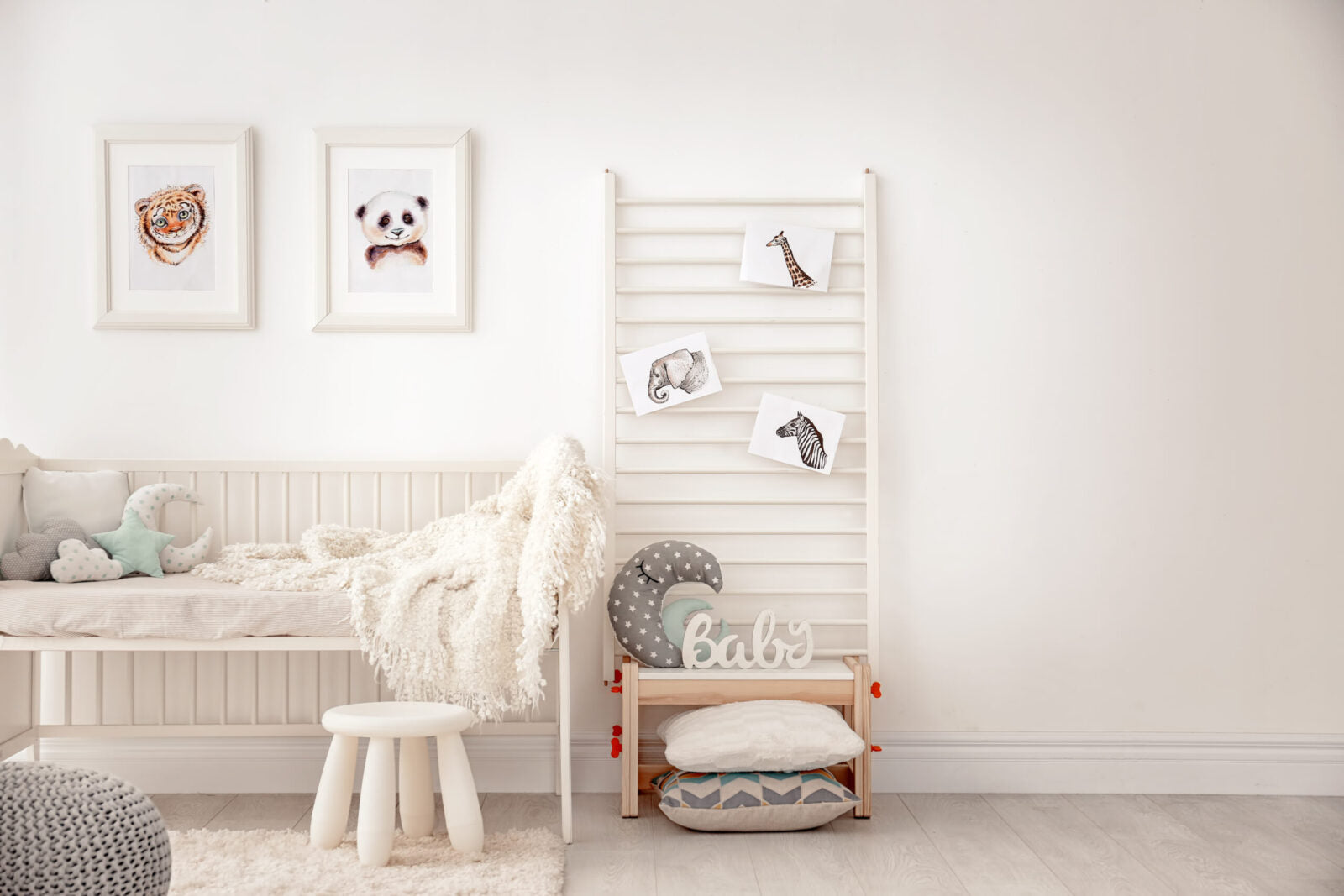
Nursery decorating is a rite of passage for any parent-to-be. But, from the first-timers to the DIY aficionados it can be unchartered territory.
From picking the paint colour to kitting out the room with carefully selected furniture, creating a space for your bub is an opportunity to revel in the excitement to come.
After all, it’s a great opportunity for you and your partner to plan, get creative, and prepare for the new addition to your household.
Not sure where to start? Read on to discover our helpful hints for nursery decorators.
Keep It Simple
Simplicity is key in the initial phase of the nursery decorating process. Incorporating soft, neutral wall colours can help you do this and allow you to feature bright and colourful items that will make the room pop!
This can be particularly useful for first-time decorators without a theme in mind, allowing you more freedom when you’re out shopping for furniture and other accessories for the nursery.
A soft, neutral colour will also provide a canvas for vibrant wall stencils or stickers.
Incorporate Statement Pieces
Statement pieces can help set the tone for the entire room. They also allow the theme of your little one’s abode to change over time as they grow and develop their own preferences.
This could be a floor rug, a giant toy, light shade or even an exciting piece of art.
A vibrant statement piece set against a light wall colour can contribute to the overall atmosphere of the nursery without permanently altering the room.
Prioritise Storage
Ensure the nursery has enough storage for all of your future baby’s belongings!
In addition to the essential wardrobe and draw space for your bub’s clothes and linens, it’s important to keep the additional nappies, toys, books and other baby essentials in mind.
Top tip: Soft, decorative baskets are a stylish way to quickly and easily store soft toys, play items and loose blankets.
Keep It Practical
Remember to keep the room design practical for what you need it for, caring for your baby!
While you’ve likely ensured you have practical cupboard space ready to go, you’ll also want to account for the amount of floor space they’ll need to play, learn and make a mess.
You may also like to consider a rocking chair to use while nursing or lulling your baby to sleep, and a baby mat or rug for keeping the carpets spot-free.
Consider Lighting
Lighting is an important but often overlooked design element when it comes to nursery decorating.
Consider including adjustable lights and soft lamps. This may help you when it comes to bedtime, as dimming the lights is a subtle signal to your little one that it’s time for sleep.
You may also find this feature useful yourself. After all, no parent likes being confronted with harsh bright light when they wake to tend to bub in the middle of the night!
Additional Considerations
You may also like to think about the following design features when decorating your baby’s nursery:
- Take note of where the light enters the room and make sure your baby’s crib isn’t going to receive direct sunlight in the morning.
- Remember to place a mobile or item above the crib to spark your little one’s interest when they first wake up.
- Fill the nursery with furniture that is simple, versatile and that makes it easy to care for your baby
What's Next?
Have you found this information useful? If so, you may enjoy the following:

