
Magnesium is an essential mineral as it is required by the body for normal function and development. It is involved in more than 300 physiological reactions within the body, including supporting energy production and maintaining healthy muscle function (1).
Despite this, the Australian Healthy Survey indicates only 1 in 3 Australians consume adequate amounts of magnesium (3).
Recommended Daily Intake (RDI) of Magnesium
According to the Nutrient Reference Values for Australia and New Zealand, the Recommended Daily Intake of magnesium is as follows:
| Age | Men | Women |
| 19 – 30 years old | 400mg | 310mg |
| 31+ years old | 420mg | 320mg |
Dietary Sources of Magnesium:
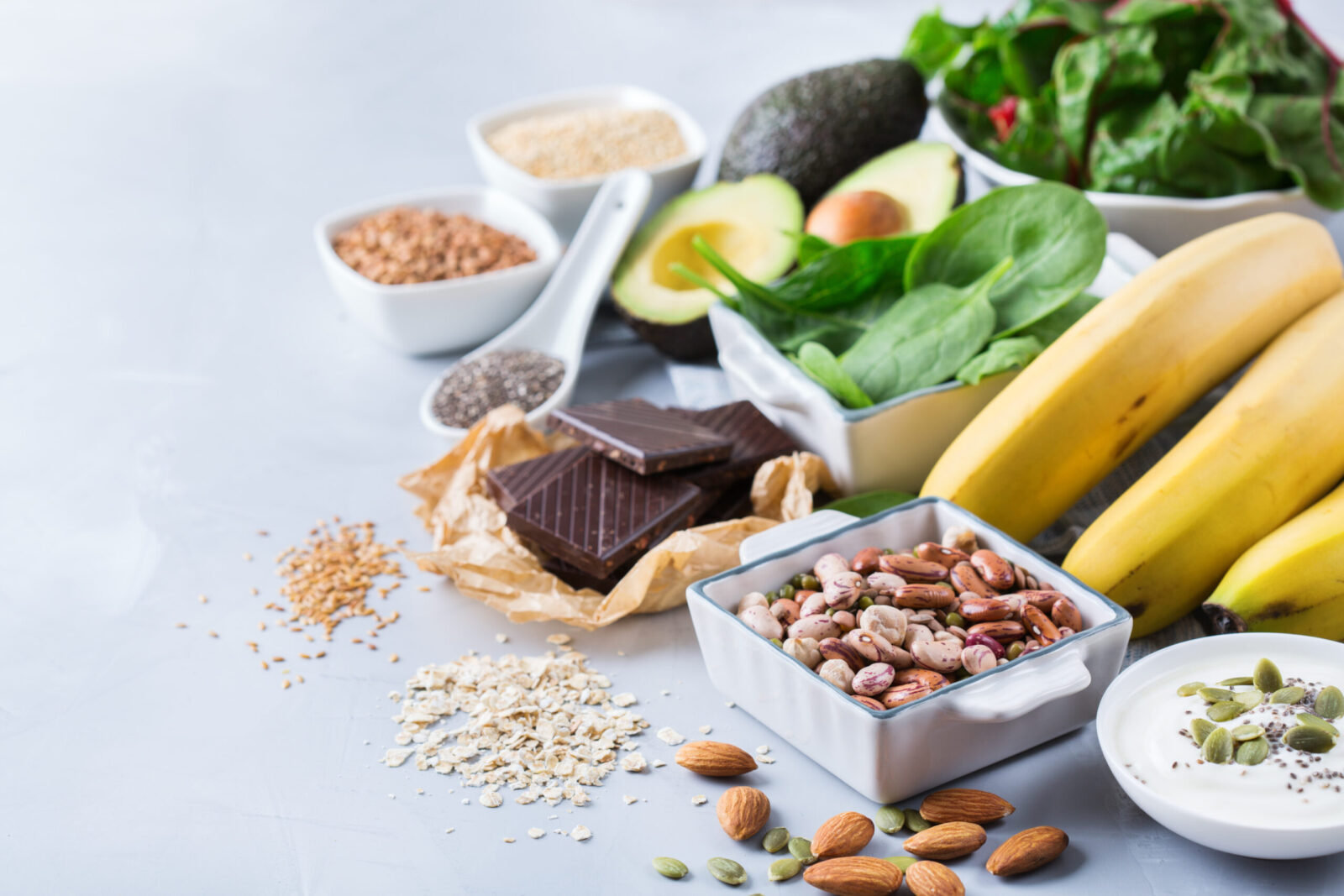
In general, foods that are high in fibre are also rich in magnesium. The following foods are considered good sources of magnesium (5):
- Leafy green vegetables – such as kale and spinach
- Nuts and seeds – such as almonds, pumpkin seeds, and chia seeds
- Whole grains – such as brown rice and millet
- Legumes
In addition to ensuring adequate dietary magnesium intake, it is recommended to monitor and address factors that may increase the body’s requirements. Research indicates increased caffeine intake, mild stress, and high-intensity exercise may all raise an individual’s magnesium needs (6).
Key Actions
Within the body, magnesium is commonly associated with its roles in energy production and healthy muscle function.
Other key actions of magnesium within the body include (6-8):
- Maintaining general health and wellbeing
- Supporting nervous system health
- Maintaining bone health
- Supporting healthy heart function
- Maintaining healthy immune system function
- Supporting body electrolyte balance
The information provided in reference to this ingredient is general in nature and provided as information only. Any product specific therapeutic claims for this ingredient are linked to specific dosage requirements based on evidence of traditional or scientific nature.
References
1. Jahnen-Dechent, W., & Ketteler, M. (2012). Magnesium basics. Clinical kidney journal, 5(Suppl 1), i3–i14. https://doi.org/10.1093/ndtplus/sfr163
2. National Health and Medical Research Council and New Zealand Ministry of Health, Nutrient Reference Values for Australia and New Zealand including recommended dietary intakes. 2006.
3. Australian Bureau of Statistics ABS. National Nutrition Survey! Nutrient intake, Res and physical measurements, Australia, 5, ABS cat. no. 5.. Canberra! ABS, .
4. Braun L & Cohen M, Herbs and Natural Supplements. An Evidence-based Guide, 4th Ed, Elsevier, 2015. pp.677-692
5. Magnesium-Rich Foods- Paediatric Nutrition- Golisano Children’s Hospital- University of Rochester Medical Center. (2013). Magnesium- Rich foods, https://www.urmc.rochester.edu/childrens-hospital/nutrition/magnesium-foods.aspx
6. Braun L & Cohen M, Herbs and Natural Supplements. An Evidence-based Guide, 4th Ed, Elsevier, 2015. pp.677-692
7. Coates et al. Encyclopedia of Dietary Supplements. Informa UK Ltd. 2010. pp 527-537
8. Health Canada. Multivitamin/ mineral Supplements Monograph. 2016. p 23

Ruby Grant
Bachelor of Health Science (Nutritional Medicine), Health and Wellness, General
Bachelor of Naturopathy
Ruby Grant is a clinical nutritionist and Technical Product Development & Education Manager at Brauer. Ruby has a Bachelor of Health Science (Nutritional Medicine) from Torrens University Australia as well as a Bachelor of Naturopathy.

